Record Heritage

Recording a heritage asset serves various purposes. We may be driven by our fascination with its history, architectural style, or even a minute design detail. Whether planning a research project, conservation efforts, or restoration works, documenting the historic structure is a crucial starting point, regardless of its size.

Recording historic structures holds significance as it preserves the building’s legacy for future generations and deepens our comprehension of its historical development. Moreover, it facilitates conservation and repairs whilst contributing to a broader knowledge base, enhancing our understanding of past lifestyles, work environments, and broader societal, architectural, or environmental trends.

Consider Your Purpose


Consider the purpose of your recording endeavor before you commence. You might assessing the asset’s condition, conducting research, or planning a restoration project. This consideration will guide your choice of methods and determine the level of detail necessary. By thinking ahead, you can minimise the number of visits required to gather this necessary information, streamlining this process.

There are several reasons why it is important to record our built heritage:

1. Preservation and Conservation: Recording our historic buildings and monuments, including architectural features, materials used, and unique design elements, helps to preserving their heritage value for future generations

2. Research and Documentation: Heritage assets often have stories and historical narratives associated with them. Recording our heritage can help us to understand particular socio-cultural contexts, and contribute to the knowledge and documentation of a particular era or community

3. Restoration and Renovation: When restoring or renovating a historic building, accurate recordings of its original and current state are crucial. These records aid in understanding the building’s original design intent, materials, and construction techniques. They serve as a valuable reference during the restoration process, ensuring that the building is preserved in a manner consistent with its historical significance

4. Legal and Regulatory Purposes: Historic buildings and monuments are subject to specific laws and regulation. Recording their condition and features helps in compliance with these regulations and serves as evidence in case of planning disputes or legal matters arising from and works.

5. Public Engagement and Education: Recording and sharing information about our historic environment can raise public awareness and appreciation for cultural heritage. It allows individuals to connect with their local history, fosters community pride, and promotes a sense of identity and belonging

6. Tourism and Economic Impact: Heritage assets often attract tourists and visitors, contributing to the local economy. Accurate recordings can be used for marketing and promotion, showcasing the unique architectural and historic value of these structures, and attracting visitors interested in heritage tourism.


You can read more about the importance of recording our heritage here, courtesy of the Getty Conservation Institute.


Before You Begin


Before you begin to record a historic building or monument:

Always inform someone about your whereabouts and destination before proceeding: It is essential to let someone reliable know about your intended location and plans, ensuring your safety and providing a reference in case of emergencies or unforeseen circumstances

Obtain permission from the property owners before entering their land: Prioritise open communication and discuss your interest in the building with the owners. By demonstrating your genuine curiosity and engaging in conversation, you may not only secure access to the building but also gain valuable local knowledge and insights

Assess the safety of approaching the building or structure and be mindful of your surroundings: Conduct a thorough evaluation of your surroundings for your personal safety. Be aware of potential hazards, such as concealed mill ponds, unguarded wells, rubble, or debris. Only proceed if you can confirm that it is safe to do so

Utilize appropriate personal protective equipment (PPE) as necessary: Sometimes, you will need to wear personal protective equipment (PPE) that corresponds to the specific risks associated with the environment. Adhering to PPE requirements helps mitigate potential dangers and safeguards your well-being during the documentation process

Pay attention to CONTEXT

Location: Take note of where the building is situated. Is it on a street, a square, or in a field? Is it positioned directly on the road or set back? Does it blend into the side of a hill or stand prominently in an exposed area? Additionally, observe its proximity to any bodies of water

Orientation: Determine the direction the building is facing. This information can provide insights into factors such as natural light, views, and the relationship with the surrounding environment

Context: Assess how the building fits in or stands out amongst neighbouring structures. Does it share a similar architectural style or use comparable materials? Does it align with the street’s layout? Does it form a cohesive group with other nearby buildings?

Associated Structures: Take note of any additional structures connected to the main building. These may include garden gates, boundary walls, railings, fences, kilns, outbuildings, or workshops. They contribute to the overall composition and function of the property

Landscaping: Consider the presence of any landscaping elements associated with the property. This could involve formal gardens or a field system that enhances the visual appeal and character of the surroundings

Additional Features: Observe any other elements that contribute to the setting. This could include a telephone or post box at the boundary, nearby trees, or other notable objects or landmarks that enhance the overall feel.

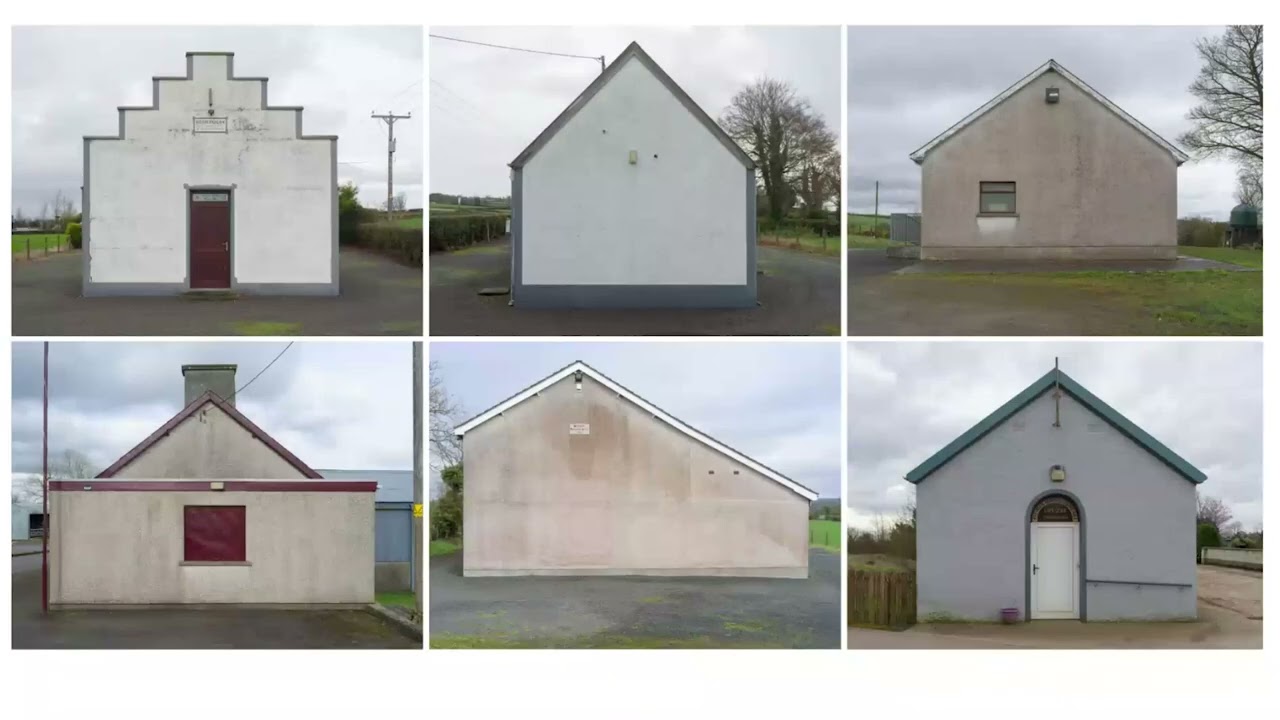
 

Photography


Photography is the easiest (and perhaps the best) way of recording a historic structure. Almost everyone has access to a camera, smartphone or tablet.

You may wish to start by reading this useful guide: Overview of architectural photography.

1. Begin by photographing the exterior of the structure from all sides, framing the shots to capture the full elevation of each side

2. Zoom in and start from the top:

  • Capture detailed photographs of the chimneys and roof.
  • Proceed downward and photograph any noticeable faults such as leaky rainwater goods, spalled bricks, or cracks in the structure.
  • Capture photographs of decorative tiles, mouldings, bricks, or vents.
  • If windows and doors hold architectural significance, take close-up photos of them.

3. Direct your focus towards the base of the structure:

  • Photograph significant details or elements in poor condition located at the base.
  • Be mindful of potential internal issues, such as blocked vents or raised ground levels, and document them.

4. If safe, enter the building:

  • Exercise caution whilst walking inside and ensure your safety.
  • Begin by taking a wide angle photograph of each room.
  • Look up to the ceiling and photograph architectural details like cornices or ceiling roses. Gradually work your way down to the floor.
  • Watch out for potential issues like rot, damp, or structural movement. Also, capture interesting details or features such as fireplaces or window shutters.
  • Pay attention to the profile of skirting boards, architraves, doors, and door furniture.

5. Repeat the process for each room:

  • Note that whilst some rooms may have similar details, it is important not to assume uniformity. Historic buildings often undergo additions and modifications over time, revealing clues about the structure’s evolution.
  • Make notes about interesting features or locations where you took photographs.
  • Consider creating a rough plan of the building to aid in your documentation and include measurements if necessary.

What You Will Need:

A smartphone, tablet or camera (although the cameras in tablets tend to be lower quality than a mobile phone)

You may also need:

  • A tripod for your phone or camera.
  • A drone if you would like to take a closer look at the roof or take aerial site views (be aware that there are laws governing the use of drones, which must be adhered to, including training and licensing).
  • A range of affordable lenses are available for your smartphone or tablet which can assist you in taking wider angle or telephoto shots

Photographing Places:

In this series of talks, three professional photographers share their inspirational approaches to photographing buildings and places around us.

Click on the video to start playing.

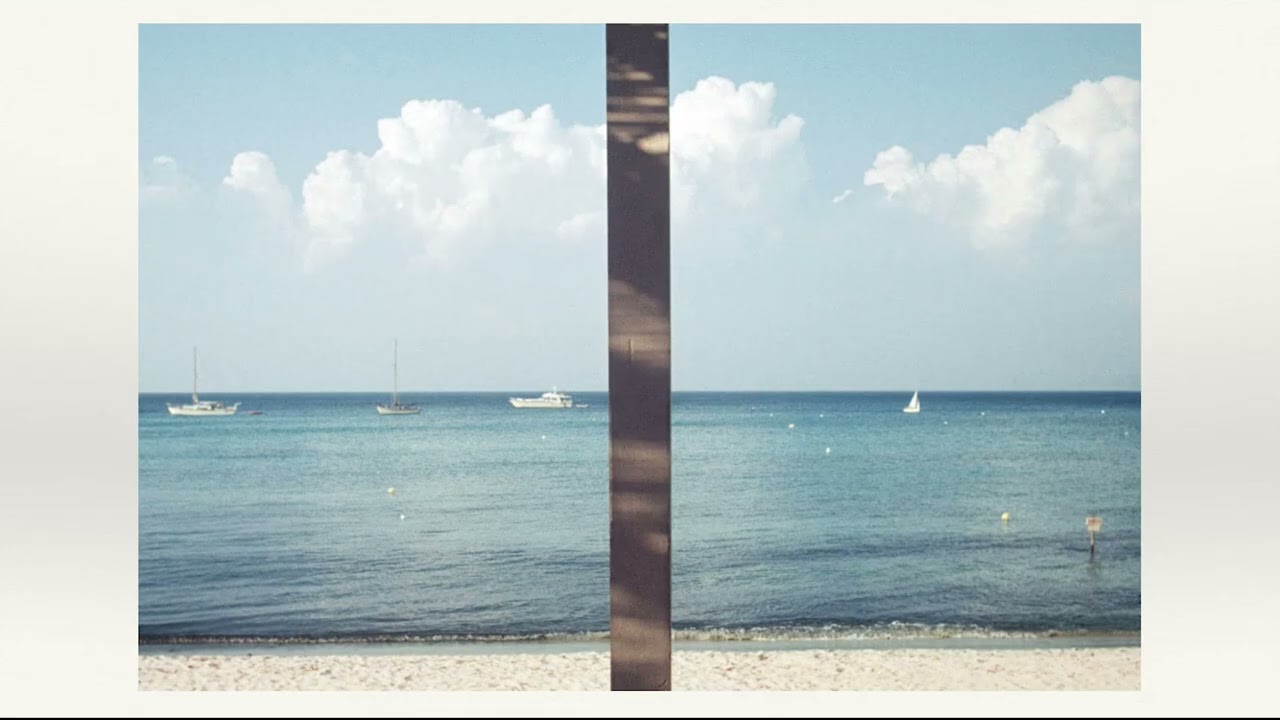
Philip Arneill discusses his approach to photographing buildings and places
Joe Laverty Photographing Place
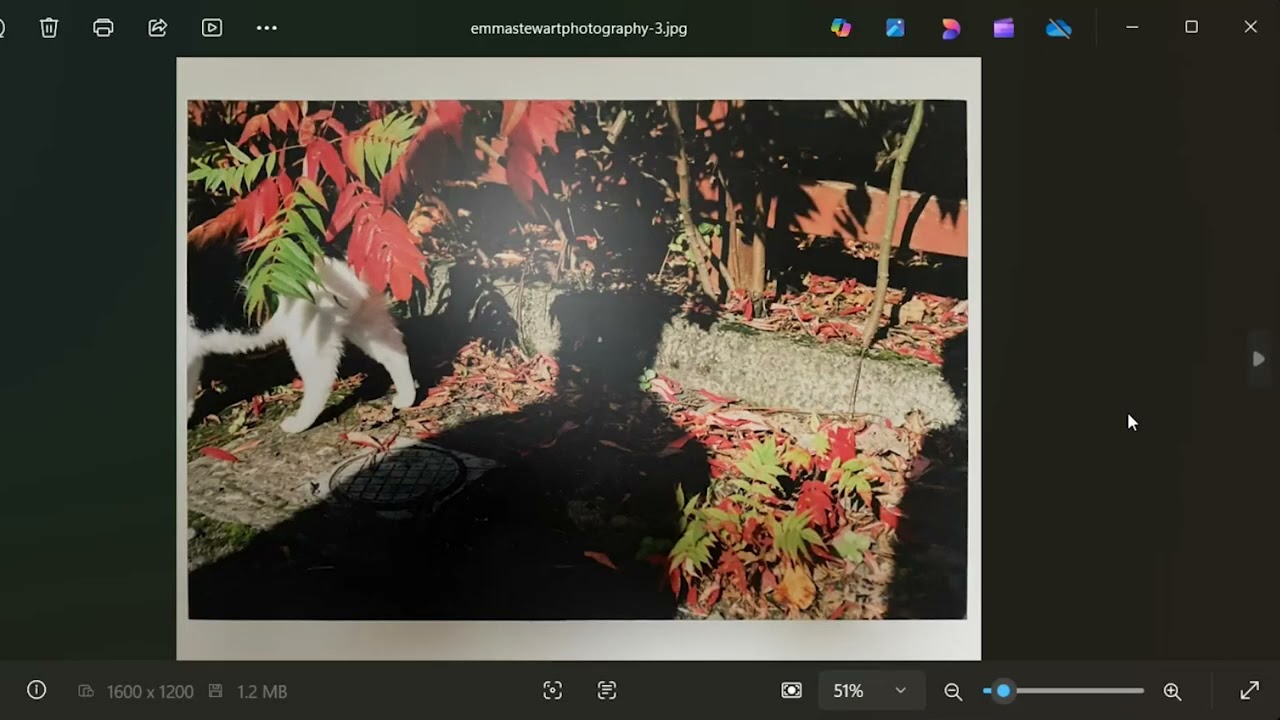
Photo Place  - Emma Stewart

Heritage Arts Challenge

The Heritage Arts Challenge aimed to inspire people to create a work of art inspired by a historic building or place in Northern Ireland. In this session, Christopher will be introducing the art of photography, demonstrating how to capture the perfect image. In this workshop you will explore the art of framing an image, storytelling through a photograph and understanding how to interpret historic buildings through the lens of a camera.


Heritage Arts Challenge: Photography with Christopher Barr

Drawing

Photography is not always the optimal method for documenting certain aspects. In some cases, the construction details of a building element can be better comprehended or conveyed through a drawing, sketch, or diagram. Utilizing these visual mediums can offer enhanced clarity and understanding.

When capturing the entirety of an asset within its context, a drawing or sketch might be more convenient and effective. It allows for a holistic representation and can capture the essence and character of the subject more effectively than a photograph.

Moreover, utilizing rough diagrams can be particularly useful in illustrating how different buildings and structures harmonize and function together. For instance, you might create a diagram showcasing the layout of a farmyard or a mill complex, showcasing their interconnections and operations.

It may be advantageous to create a measure drawing. This approach serves multiple purposes: documenting the building, comprehending the interrelationships among its various elements, making comparisons with similar structures, and gaining insights into the overall scale and proportion of the building or specific components within it.

Measured drawings are particularly valuable in practical scenarios, such as restoration projects. However, the level of precision required will differ depending on whether you are creating schematic representations or undertaking detailed analysis. In cases where high accuracy is necessary, it is advisable to engage the expertise of a specialist professional.

Fortunately, there are several user-friendly online tools available for creating scaled floor plans at no cost. These can assist you in generating accurate drawings. Alternatively, you may opt to draw the plans manually.

Remember to account for wall thickness in addition to room sizes, as this ensures a comprehensive depiction of the building’s layout.

What You Will Need

A good quality sketch pad, drawing pens/ pencils, sharpener, rubber, ruler.

You may also need:

  • Surveyor’s tape measure;
  • Laser distance measure;
  • A3 drawing board;
  • Scale ruler;
  • Set square; and
  • Drawing pens.

Drawing Workshop with Marcus Patton

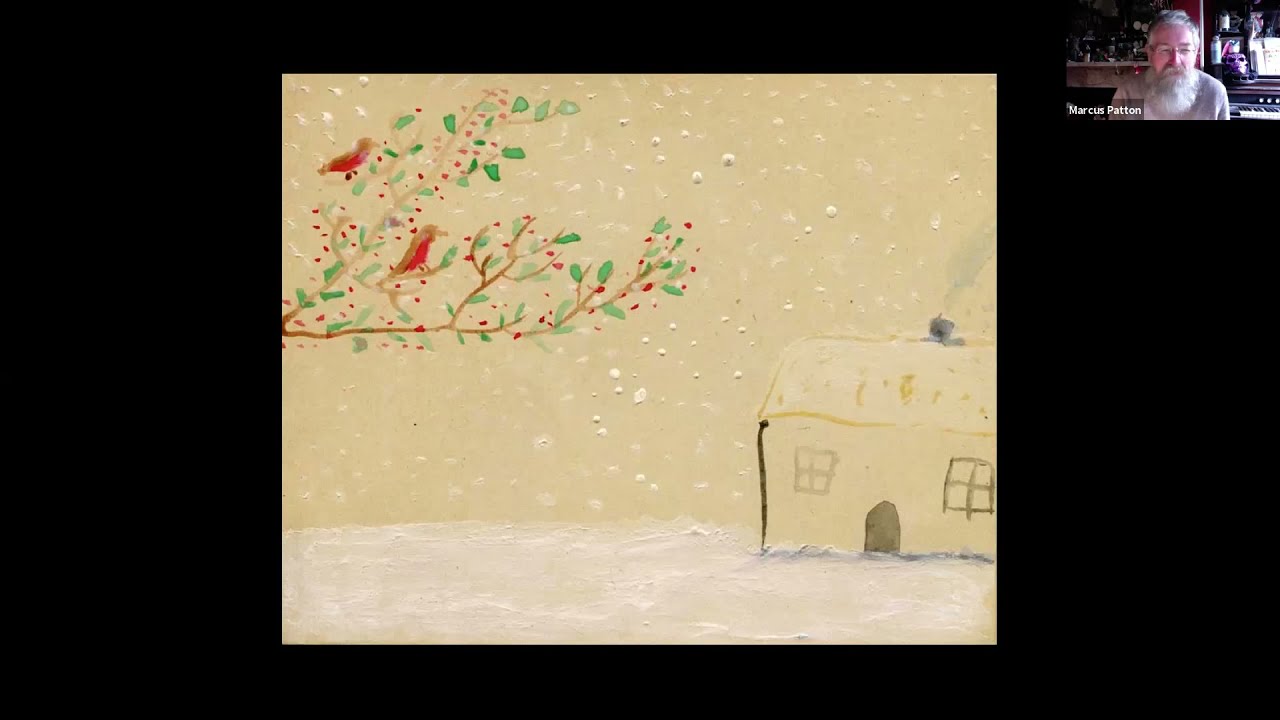
Marcus Patton introduces the art of drawing and illustration in the context of historic buildings. As well as showing examples of different approaches to drawing, covers some basic techniques to help understanding buildings and creating interesting images. The workshop is designed to encourage anyone with an interest in historic buildings to express that interest through drawing or painting – the point being that drawing a building involves really looking at it, which is a pleasure in itself.

Heritage Arts Challenge: Drawing Workshop with Marcus Patton

Oral History

Heritage assets are not only valuable in their own right but also because they hold personal stories. These oral histories are an integral part of our cultural identity and contribute to our sense of place, breathing life into places of architectural or historical significance.

To preserve these stories, you can record oral histories of family members or acquaintances. Creating a discussion topic around a memory, household item, or past event can help uncover these personal narratives. In an informal setting, over a cup of tea, you can make someone feel at ease, and with their permission, record their stories using your mobile device via video or voice notes

What You Will Need

Smartphone or tablet, or a voice recorder.

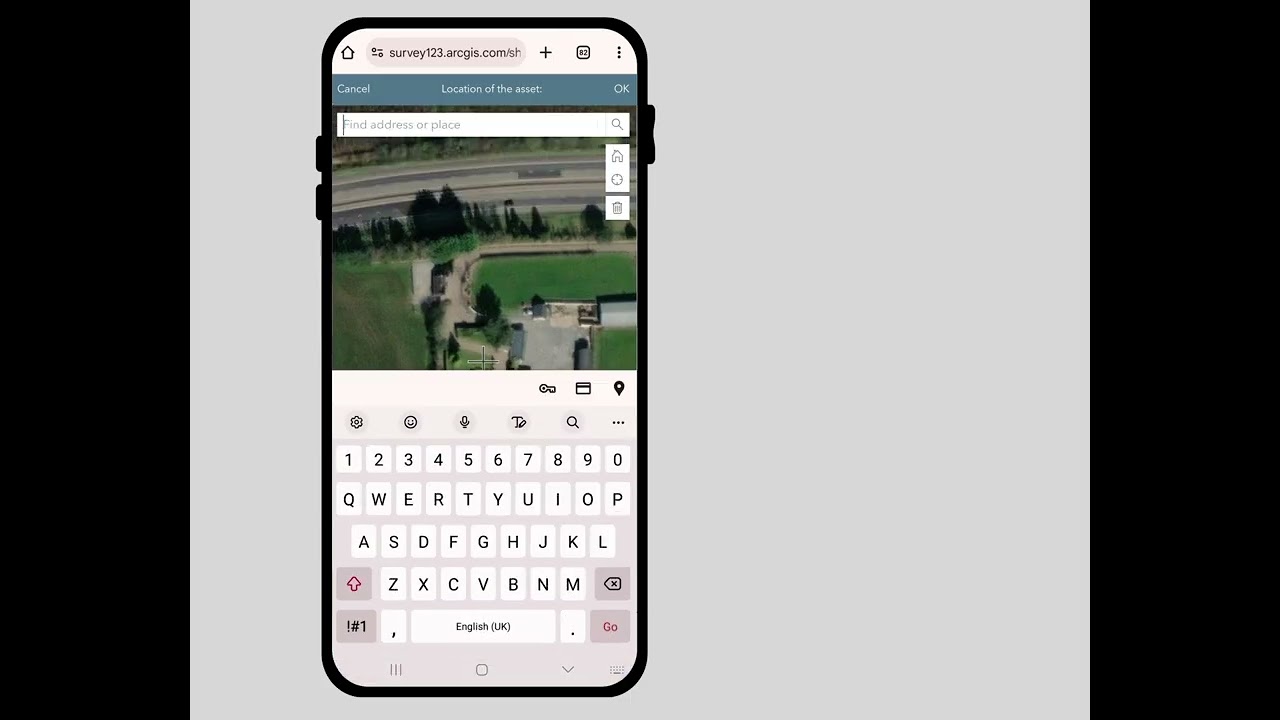
How to Add a Record to the ‘In Your Area’ App

Click image to play video

Hands-on Heritage - How to add a record to the In Your Area app